
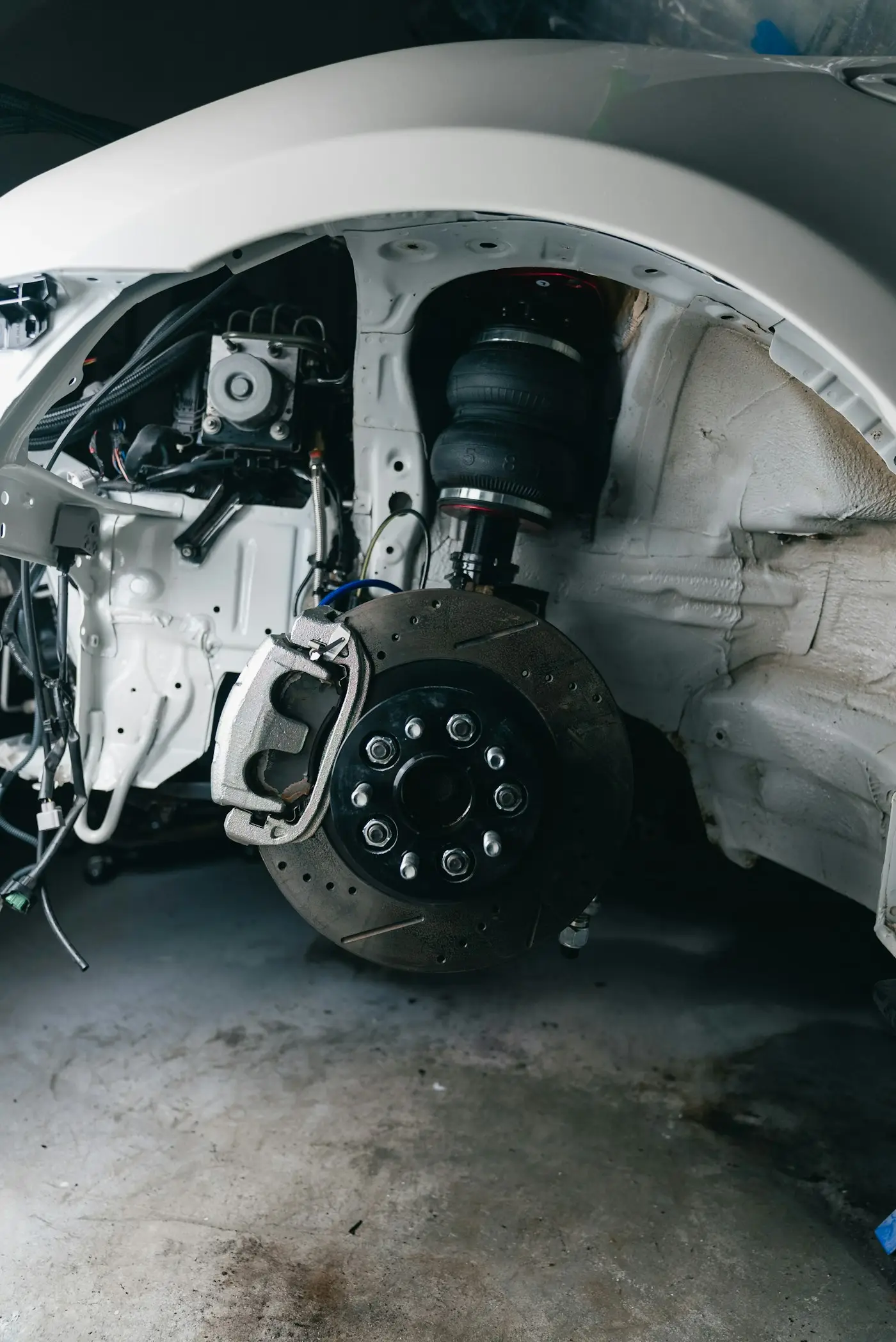
West Long Beach is not an easy place to keep a car running straight. Port traffic, patched asphalt on Anaheim Street and PCH, salt air off the harbor and a lot of stop-and-go miles on the 710 and 405 all take a toll faster than the owner's manual assumes. This guide is the hub for everything we have written about keeping a car, truck, van or lifted rig healthy on these roads. It is organized by the six things we fix every day at 1565 W Anaheim St, plus a section on oil changes, tires, smog checks and choosing a shop, with a link to every article below. Whether you came here because something feels wrong with the car right now, or you are just trying to get ahead of a problem before it starts, start with whichever section matches what you are dealing with and follow the links from there.
- Alignment, suspension, lift kits, brakes, electrical and transmission problems in Long Beach usually trace back to the same local causes: rough pavement, salt air and stop-and-go traffic.
- This page links to 29 in-depth articles, grouped into seven topic clusters, each written for a specific symptom, question or decision.
- Every article names its sources and is reviewed by Arturo, the shop's owner, so you can check a claim before you act on it.
- If your issue spans two topics (new tires plus a lift kit, for example) start with the article closest to the symptom, then follow the cross-links.
- Nothing here replaces an actual inspection. These guides help you understand what a symptom usually means so you walk in informed, not so you can diagnose and skip the visit.
Wheel Alignment: Our Specialty
Alignment is in our name, so it gets the most coverage here, with five dedicated articles. If your steering wheel sits off-center, the car pulls on a flat road, or your tires are wearing unevenly on one edge, start with our guide to wheel alignment warning signs, which walks through the seven most common complaints we hear at the counter. If you just want a straight answer on pricing before you call, read the wheel alignment cost guide, which explains what typically moves the price up or down and why we quote every job after inspecting it, not before.
For truck owners, two articles matter specifically: why a lift or leveling kit changes your alignment, which explains exactly what camber, caster and toe do when a truck's ride height changes, and what is different about aligning a lifted truck or Sprinter van, which covers how we set up alignment for a vehicle's real load and use case rather than a generic sedan spec. And if you just bought tires or hit one of the rougher patches along Anaheim Street, see why new tires and potholes both call for an alignment check, which also covers the city's current road work and why it matters for alignment timing.
Suspension & Steering
A quiet, controlled ride depends on shocks, struts, bushings and a tight steering system, all of which wear faster on West Long Beach's rougher streets. Start with signs your shocks or struts are worn and what causes a clunk over bumps, which walks through the four most likely parts and how we isolate the actual one rather than guessing from the sound. Steering-specific symptoms, including whines and leaks, are covered in our power steering problems guide.
For the local angle on why this happens here more than elsewhere, read how port traffic and speed humps wear out a suspension, which looks at the Port of Long Beach's recent cargo volumes and what that traffic actually does to shared streets over time.
Lift Kits & Leveling
A lot of our customers drive trucks that work for a living, and a lot more just want the stance right. Leveling kit vs. lift kit explains the difference in plain terms: height, cost and what each does to tire clearance. Choosing a kit for a work truck gets into load, towing and spring rate, questions that matter more for a truck that works for a living than one driven mostly empty.
Once you have a kit picked out, our lift-and-alignment process shows what a same-visit install actually looks like, step by step, and common lift kit mistakes covers what to watch for if a kit was installed elsewhere, or you are weighing a DIY job yourself.
Brake Repair
Squealing, grinding or a soft pedal all mean something different, and our brake noise guide walks through each one, plus the vibration symptom that gets confused with the others. For the numbers, see when to replace pads and rotors, and what it costs, which explains how we measure wear directly instead of estimating from mileage.
Being this close to the harbor has a specific effect on rotors, covered in why rotors rust faster near the harbor, including how to tell normal surface rust from an actual problem. And the maintenance item most drivers forget entirely is in our brake fluid service schedule, which explains why moisture in the fluid matters more than age alone.
Alternators & Electrical
A car that will not start or keeps killing batteries needs a real test, not a guess. Battery, alternator or starter? explains how we tell the difference using symptoms you can actually observe, and diagnosing a parasitic drain covers the slower, overnight kind of failure that a simple jump start will not fix.
The coastal angle is in why Long Beach cars get more electrical gremlins, which explains how corrosion can make a perfectly good part look like it is failing. If a warning light is the reason you are reading this, go straight to our dashboard warning lights guide, which ranks the most common lights by how urgent each one actually is.
Transmission Service
Transmission problems are cheaper to catch early than to rebuild later. Start with how often your transmission actually needs fluid service, which explains why the interval varies so much by vehicle, and what slipping or harsh shifts are telling you, which covers the early warning signs worth acting on before they become bigger repairs.
Work truck and trailer owners should read how towing wears out a transmission faster, which gets into the heat-related mechanics of why severe-duty maintenance schedules exist. And if you are already past prevention, our repair-vs-rebuild guide lays out how we help you decide between a targeted fix and a full rebuild.
Oil Changes, Tires, Smog Checks and Choosing a Shop
A few questions come up regardless of what is wrong with the car. How often you actually need an oil change explains why the old 3,000-mile rule no longer applies to most vehicles, and a practical guide to buying and maintaining tires covers tread depth, the penny test, and why alignment matters at the exact moment you buy new tires.
California's Smog Check rules, explained walks through when you need one and what the state requires directly from the Bureau of Automotive Repair's own published guidance (call us and we can tell you how we can help with your specific situation). And if you are simply trying to find a shop you can trust in Long Beach, our guide to choosing a mechanic lays out what the Federal Trade Commission recommends checking before you hand over your keys to anyone.