
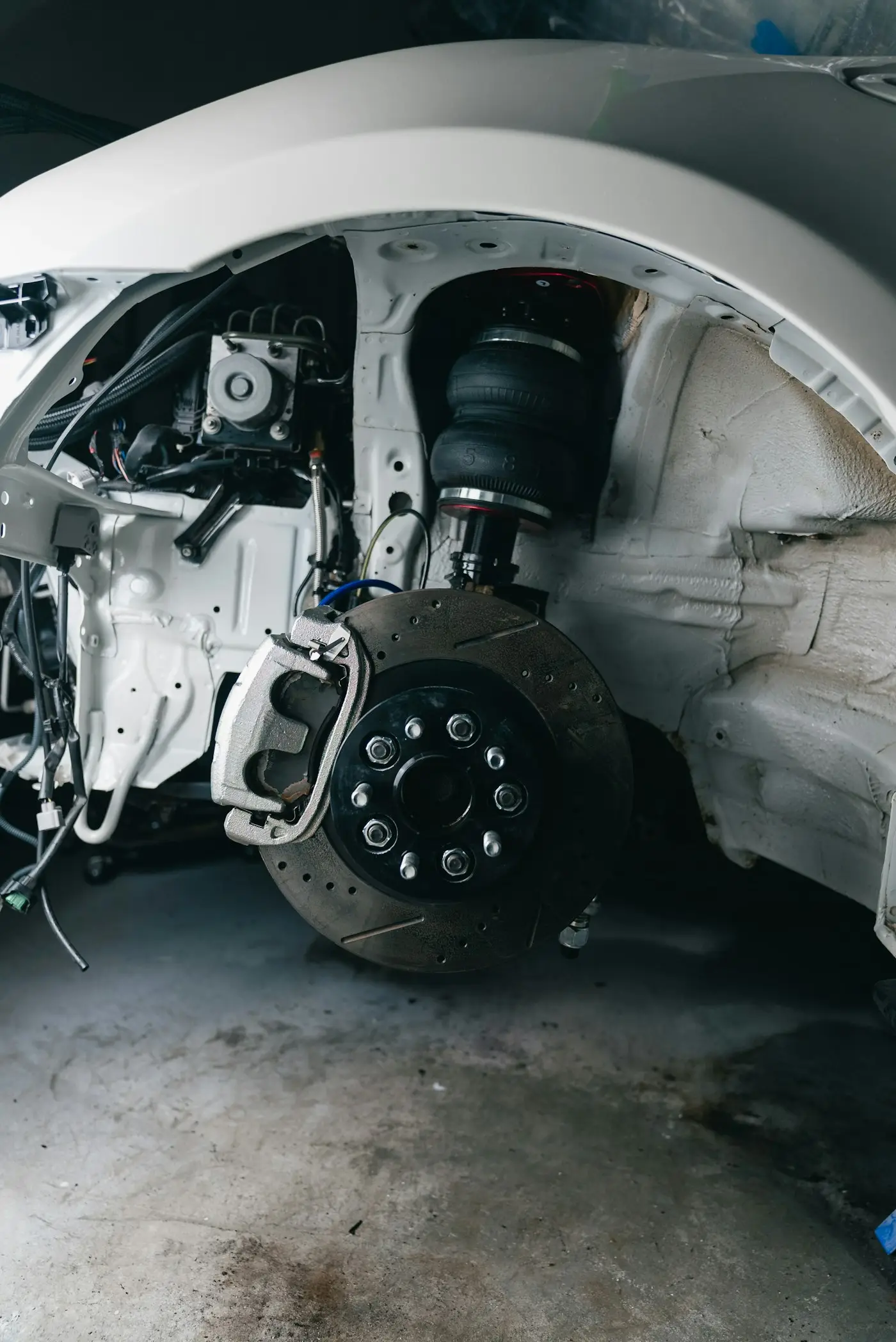
Power steering trouble tends to announce itself in one of three ways: a whining or groaning noise, especially when turning; a reddish or clear puddle under the front of the car; or steering that has gone noticeably heavier, like the assist has partly checked out. Each points toward a different part of the system, and getting the diagnosis right the first time saves you from paying to replace the wrong component. Power steering systems also differ meaningfully between older hydraulic setups and the electric systems common on newer vehicles, which changes exactly what we check first.
- A whine when turning usually points to the power steering pump or low, aerated fluid, not a part failure yet.
- A fluid leak is most often a hose, a seal at the rack, or the pump itself, and it should be diagnosed before the fluid runs low enough to cause a bigger problem.
- Heavy, slow-to-respond steering suggests the pump has started to fail or, on electric power steering systems, an electrical fault rather than a fluid issue.
- We test and explain the options before recommending anything, from a fluid top-off to a pump or rack replacement.
The whining or groaning noise
On hydraulic power steering systems, a whine that gets louder when you turn the wheel, especially at low speed or while parking, is often caused by low fluid level, aerated fluid, or a pump that is starting to wear internally. We check fluid level and condition first, since a simple top-off sometimes resolves a mild case, but a persistent whine with fluid at the correct level usually points to the pump itself needing attention.
The timing of the noise matters too. A whine that is worst right after starting the car cold and fades as things warm up is a somewhat different signal than one that is constant regardless of temperature, and we factor that detail into the diagnosis alongside the fluid check.
Fluid leaks: where they usually come from
Power steering fluid leaks most commonly from a hose connection, a seal at the steering rack, or the pump shaft seal. The fluid itself is typically reddish or amber and has a distinct smell, different from engine oil or coolant, which helps us narrow down the source quickly during inspection. A slow leak that is caught early is a much smaller repair than one that is allowed to run the system dry, which can damage the pump.
We trace a leak by cleaning the suspected area, running the engine, and watching where fluid actually reappears, rather than guessing from where it pools on the ground, since fluid can travel along a line before dripping, which sometimes makes the drip point look misleadingly far from the actual source.
Heavy or unresponsive steering
If the wheel suddenly feels like it takes real muscle to turn, especially at low speed, the power assist has likely dropped off, either from a failing hydraulic pump or, on newer vehicles with electric power steering, a fault in the electric motor or its control module. The diagnosis path is different for each, which is why we identify the system type before troubleshooting rather than assuming every car works the same way.
Why we test rather than guess
Each of these three symptoms has more than one possible cause, and a fluid top-off will not fix a failing pump any more than a new pump will fix a loose hose. We check fluid level and condition, inspect hoses and connections for leaks, and test pump pressure or scan for electric steering fault codes depending on your vehicle, before recommending a repair.
Is it ever safe to keep driving?
A fully working steering system without power assist (if the belt breaks or the motor fails completely) is still steerable, just much harder to turn, especially at low speed. It is not something to put off for long, though, both for comfort and because the underlying cause, whether low fluid or an electrical fault, can get worse the longer it runs unaddressed. A sudden, complete loss of assist while driving, in particular, is worth pulling over safely to assess rather than continuing on to your destination first.
Electric power steering specifics
Many newer vehicles use electric power steering, which has no fluid, hoses or pump at all. Problems here usually show up as a dashboard warning light alongside heavier steering, and diagnosis involves scanning for stored fault codes in the steering control module rather than checking fluid. We identify which type your car has before starting, since the troubleshooting path is genuinely different between the two systems.
If you are not sure which type your vehicle has, that is completely normal; most drivers do not need to know this detail until something goes wrong. We can identify it quickly just by popping the hood or checking the vehicle's specifications, so it is not something you need to research before calling us.
What we check if the symptom is intermittent
Some power steering problems only show up under specific conditions: cold mornings, hot afternoons, or only after the car has been driven for a while. If your symptom is intermittent rather than constant, we try to reproduce the conditions that trigger it, including a test drive long enough to let the system reach normal operating temperature, rather than relying on a quick look in a cold parking lot that happens to not show the problem that day.