
These two terms get used interchangeably, but they solve different problems. A leveling kit corrects the factory nose-down stance most trucks ship with. A lift kit raises the whole truck meaningfully higher for ground clearance and bigger tires. Picking the right one starts with being honest about what you actually want the truck to do, day to day, not just how you want it to look sitting in the driveway. We walk through this conversation with a lot of truck owners, and the right answer is rarely the most dramatic-looking option.
- A leveling kit raises the front to match the rear, correcting the factory rake, usually 1.5 to 3 inches.
- A lift kit raises the entire truck, often 2 to 6-plus inches, and usually accommodates significantly larger tires.
- Leveling kits are the more common request we get, since most trucks sit lower in front than rear from the factory.
- Both need an alignment in the same visit, since both change camber, caster and toe.
What a leveling kit actually does
Most trucks leave the factory sitting slightly lower in front than in back, a deliberate choice that accounts for payload sagging the rear under load. A leveling kit closes that gap, typically raising the front 1.5 to 3 inches so the truck sits level, or close to it, whether loaded or not. It is a targeted, relatively modest change aimed at stance and the ability to run a slightly larger tire, not a serious off-road clearance upgrade.
Because the change is modest, a leveling kit is also the option most likely to preserve the truck's original ride quality and handling characteristics, assuming it is installed and aligned correctly. Many owners who want a leveling kit simply want the truck to look the way it does in advertising photos, level rather than visibly nose-down, without taking on the bigger commitment a full lift represents.
What a lift kit actually does
A lift kit raises the entire truck, front and rear, often using longer control arms, new knuckles, lift blocks or a combination, depending on the suspension design. Lift heights commonly range from 2 inches up to 6 inches or more, and the larger lifts are usually paired with significantly larger tires and sometimes new wheels with different offset to clear them.
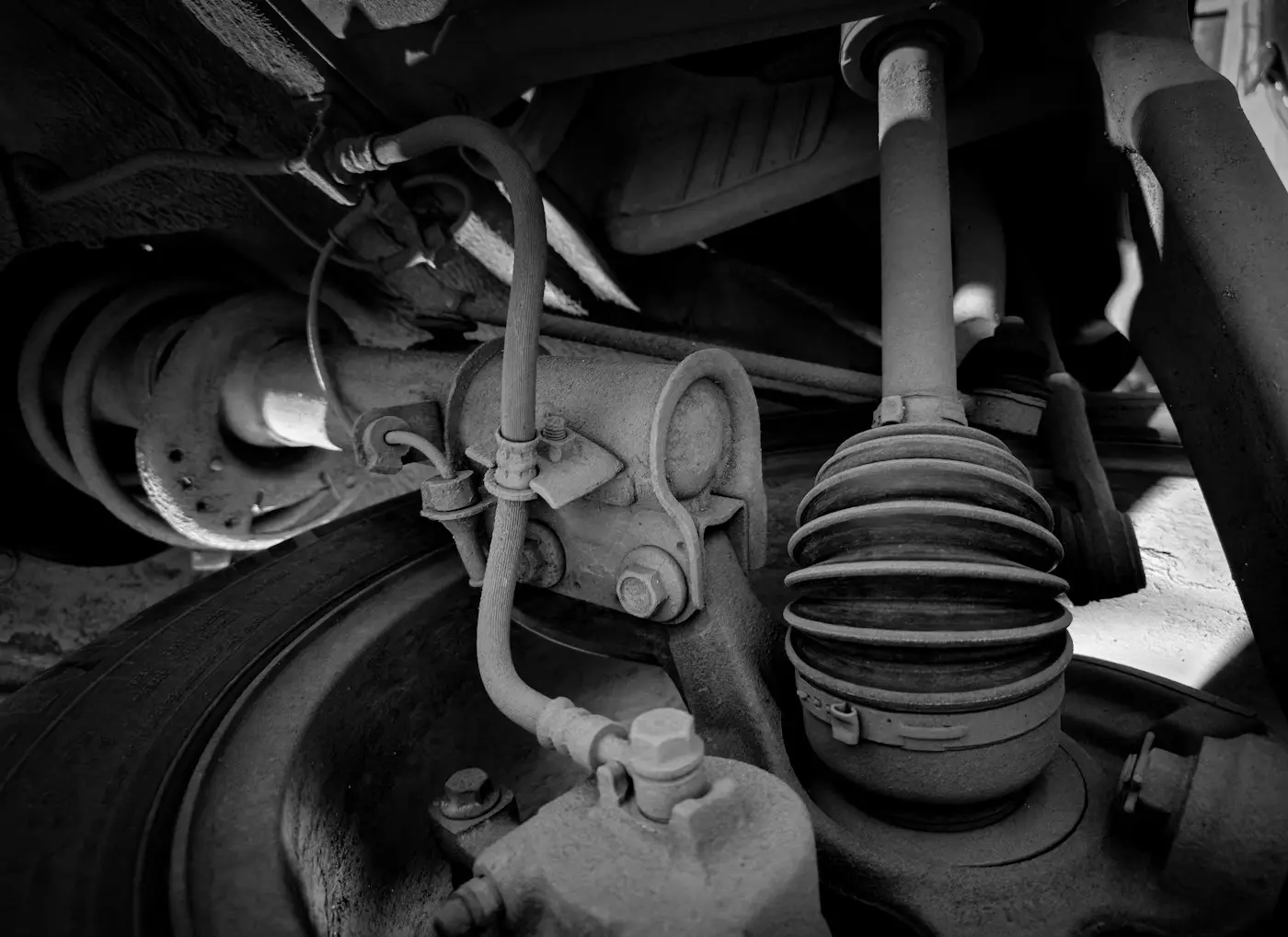
A larger lift is a bigger mechanical change than a leveling kit, which means more components involved, more potential points that need attention (brake line length, driveshaft angle, sway bar link clearance) and generally a bigger shift in how the truck rides and handles. None of that makes a lift a bad choice; it just means it deserves a more thorough conversation about what you actually want out of the truck before committing to a specific height.
Cost and complexity
Leveling kits are generally a simpler, less expensive install, often completed with an alignment in a single visit. Larger lift kits involve more components, more labor time, and sometimes additional parts like extended brake lines or relocated sway bar links to accommodate the increased travel, which adds both cost and time to the job. We quote both honestly based on your specific truck and the kit you are considering.
Tire size and clearance
A leveling kit alone typically allows for a modest tire size increase. A full lift kit is usually the right choice if the actual goal is substantially larger tires, since the additional height and sometimes wider track width create the clearance those tires need, both at ride height and through suspension travel.
What both have in common: the alignment
Whichever kit you choose, the ride height change moves camber, caster and toe away from the factory settings, which is why we always align in the same visit as the install, not as a separate appointment. Skipping that step is the most common reason a newly lifted or leveled truck pulls or wears tires unevenly within the first few thousand miles.
A few questions worth asking yourself first
Before you call around for quotes, it helps to answer a few things honestly: do you actually need more ground clearance for a specific purpose, or do you mainly want the truck to look taller? Are you planning a specific tire size, or open to whatever fits comfortably? Do you tow or haul regularly, which changes how the suspension needs to perform under load, not just how it looks empty in the driveway? We ask these same questions when you call, so having rough answers ready speeds up the conversation.
What a typical leveling kit visit looks like start to finish
Most leveling kit installs begin with a short conversation about tire size and intended use, followed by the actual install, which on many trucks is completed in a matter of hours rather than a full day. Once the kit is torqued to spec, the truck goes straight to the alignment rack, since a leveling kit changes camber and caster enough to matter even at its modest height increase. We road test before handing the keys back, confirming the truck tracks straight rather than assuming the rack numbers alone tell the whole story.
What a full lift kit visit typically involves
A larger lift is a bigger job by nature, often requiring more time on the lift to fit additional components like longer control arms or relocated mounting points, and a more careful check of brake line and sway bar link clearance at full suspension travel. We walk you through a realistic timeline at the planning stage rather than giving an optimistic estimate that assumes nothing unexpected turns up once the truck is actually in the air.
A word about resale and long-term ownership
If you plan to sell the truck eventually, it is worth knowing that a well-documented, properly aligned leveling kit or lift tends to be viewed more favorably by a future buyer than one with an unclear installation history. Keeping your alignment printout and installation paperwork is a small thing that can matter later, and we provide that documentation as a matter of course with every job we do.