
We regularly diagnose pulls, clunks and uneven tire wear on trucks that were lifted somewhere else, or by the owner in a driveway. Most of the time, the kit itself is fine. The mistake is in the details around it: a skipped alignment, a torque spec that was eyeballed instead of measured, or a clearance check that never happened. Here are the ones we see most, roughly in order of how often they show up and how much damage they cause if left uncorrected.
- Skipping the post-install alignment is the single most common mistake, and the one that causes the most tire damage.
- Under-torqued or over-torqued fasteners can work loose or fail well before the truck's next scheduled service.
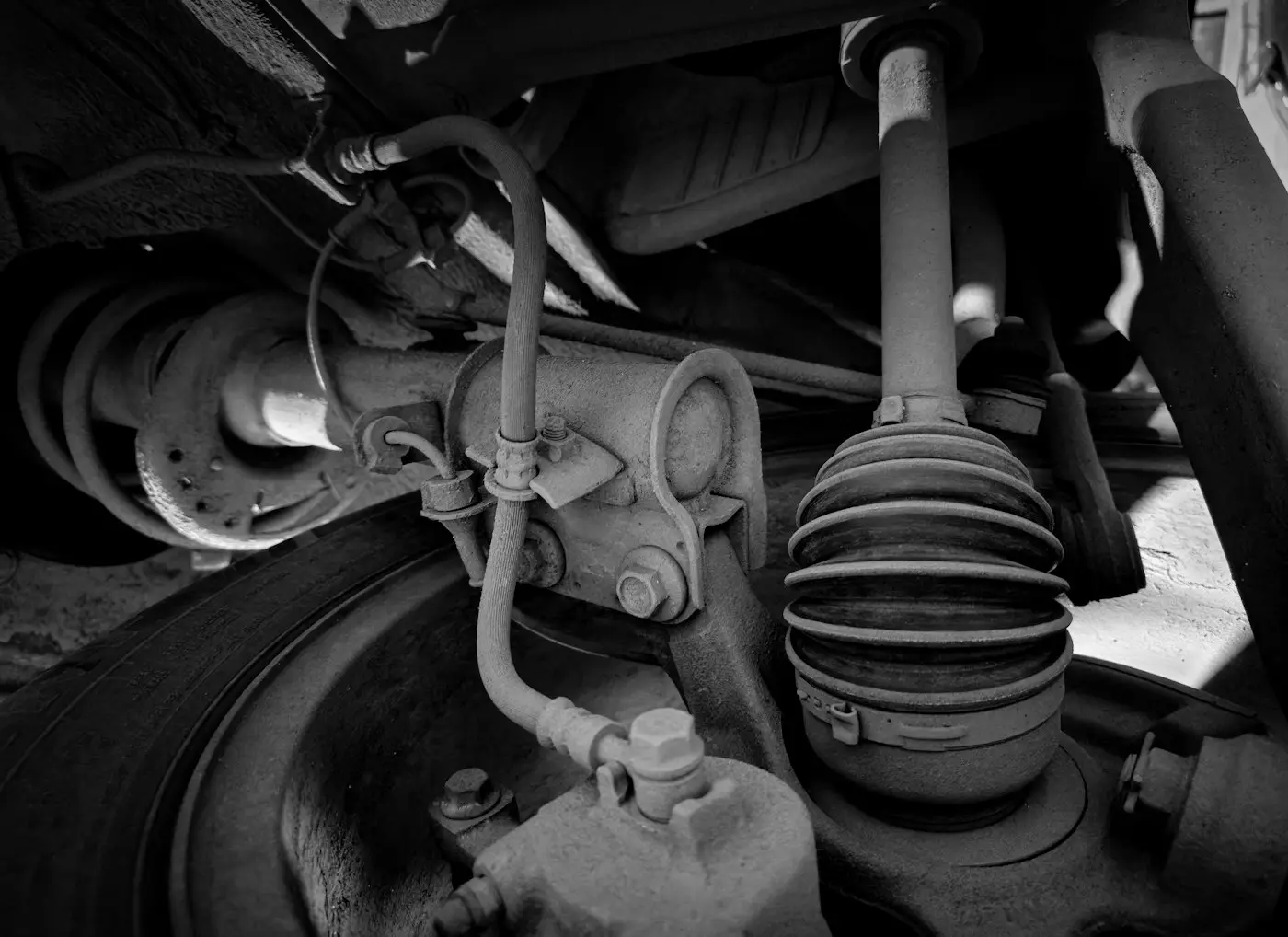
- Brake line and sway bar link clearance at full suspension droop is easy to overlook without a lift to check it properly.
- We diagnose and correct setups installed elsewhere regularly, and we will tell you honestly what needs fixing.
Mistake one: skipping the alignment
This is the mistake we see most often, and the most expensive one to ignore. A lift or leveling kit changes camber, caster and toe by design, and driving on it unaligned, even for a short time, sets a fresh set of tires up to wear unevenly within a few thousand miles. We cover the specifics of why this happens in detail here.
Mistake two: torque specs that were eyeballed
Suspension fasteners have specific torque values for a reason, both for safety and to make sure the part is actually clamped the way it was engineered to be. An under-torqued fastener can work loose over time, especially given the repeated bump impacts common on West Long Beach streets; an over-torqued one can stretch or damage the fastener or the part it is securing. A proper install uses a torque wrench against the manufacturer's spec, not a guess by feel.
We have found fasteners on trucks lifted elsewhere that were clearly tightened by feel rather than measured, sometimes significantly off spec in either direction. It is one of the quicker things to check during an inspection, and also one of the more important ones, since a loose suspension fastener is a genuine safety issue, not just a maintenance nitpick.
Mistake three: missed clearance checks
At full suspension droop and at full steering lock, a lifted truck's brake lines, sway bar links and other components need room to move without stretching, binding or contacting another part. These clearance issues often do not show up on a quick test drive around the block; they show up later, as a brake line that chafes through over months, or a sway bar link that fails under full articulation. We check this specifically as part of every install, precisely because it is easy to miss.
Mistake four: ignoring driveline angle changes
A taller lift changes driveshaft and CV joint operating angles, and outside of a reasonable range, that acceleration in wear can show up as a vibration or a clunk months down the road, not immediately. This is one of the reasons we ask about intended lift height carefully before the install, rather than defaulting to the tallest option available.
The risk of a fully DIY install
A careful, patient DIY installer with the right tools can do a competent job on some kits. The risk is less about any single step and more about not having a lift and alignment rack to actually verify the result: confirming torque with a calibrated wrench, checking clearance at full droop, and correcting alignment afterward all require equipment most driveways do not have. If you have already done a DIY install, we are glad to inspect it and tell you honestly what, if anything, needs correcting.
What an inspection of an existing DIY or outside install actually involves
We check torque on the major suspension fasteners, inspect brake lines and sway bar links for clearance and chafing at full droop and full lock, and measure alignment against a spec appropriate for the ride height. This usually takes less time than a full install from scratch, and at the end you get a clear, honest list of anything that needs attention, separated from anything that already looks correct, so you are not paying to redo work that was actually done properly the first time.
A mistake worth mentioning separately: wrong parts for the vehicle
Occasionally we see a kit installed that was close to, but not exactly, the correct part for that specific truck's trim or suspension variant, close enough to bolt on but not quite matched to the engineering it was designed around. This can produce subtle symptoms, slightly off alignment specs that never quite correct fully, or components under more stress than intended, that are harder to pin down than an obviously wrong part would be. Double-checking part numbers against your specific truck's configuration before an install, not just the model year, is worth the extra few minutes it takes.
If you're considering a DIY install anyway
If you are set on doing the physical install yourself, the single most valuable thing you can do is still bring the truck to a shop with an alignment rack immediately afterward, before putting meaningful miles on it, and have torque and clearance checked at the same time. That one step addresses the two most damaging mistakes on this list even if everything else about the DIY install goes smoothly.
A note on online forums and general advice
Online forums and videos can be a genuinely useful resource for understanding a kit's general installation steps, but torque specs, driveline angle limits and clearance requirements are specific to your exact truck's year, trim and suspension configuration, not universal across every similar-looking model. Treat general advice as a starting point for understanding the process, not a substitute for checking your own vehicle's actual specifications before finishing the job.