
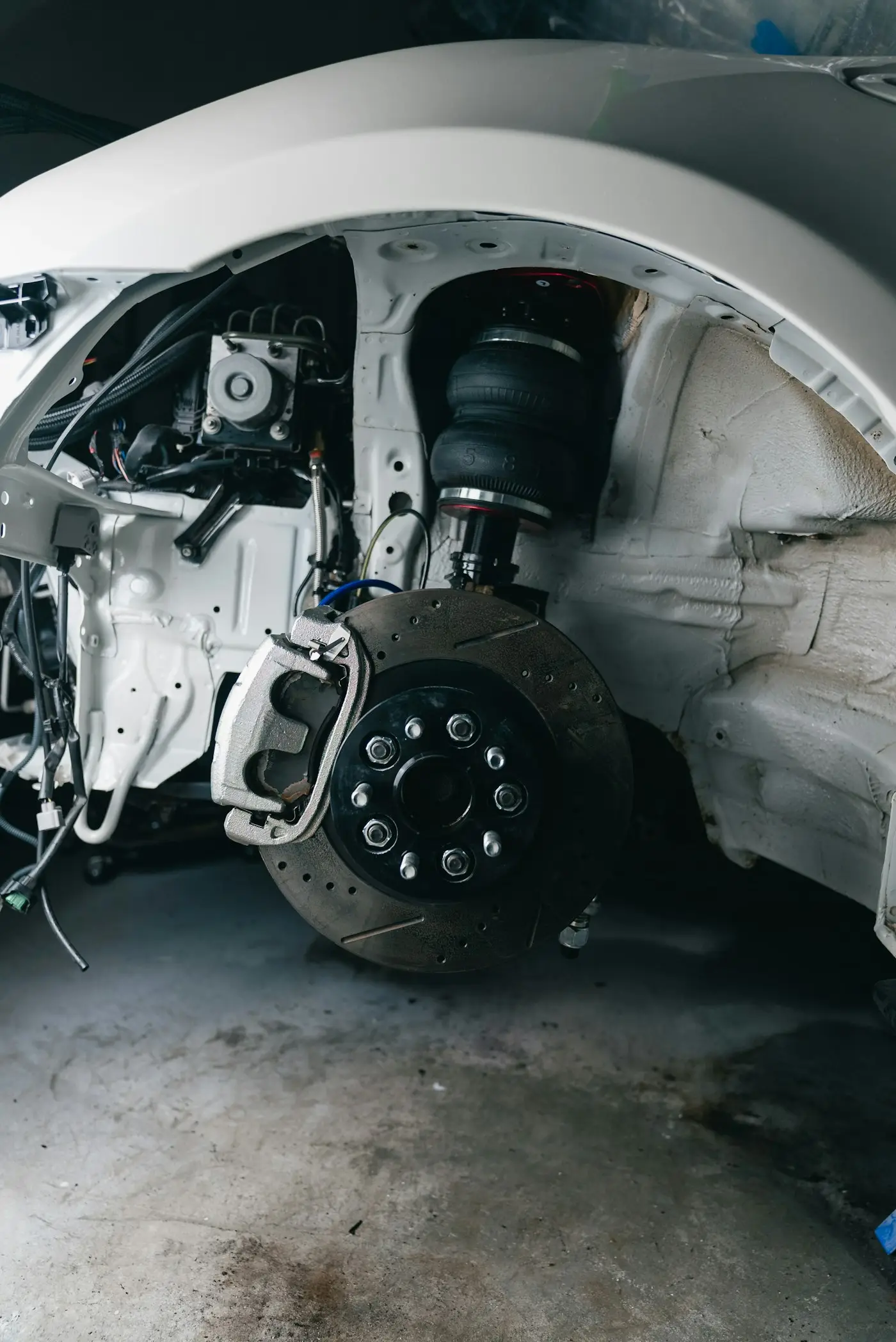
We install every lift and leveling kit with the alignment built into the same visit, not scheduled separately. Here is what that actually looks like, step by step, so you know what to expect before you book, and why doing it this way protects both the truck and the tires you are about to put miles on. We get asked often enough what the process actually involves that it is worth laying out plainly rather than leaving it as a vague promise.
- The process runs in four stages: planning the build, installing the kit, aligning for the new ride height, and a final road test.
- We check brake lines, sway bar links and steering stops for clearance as part of the install, not as an afterthought.
- Every lift and leveling kit gets a full four-wheel alignment before it leaves, set to a spec appropriate for the new height.
- You get a road test at the end, so you know the truck tracks straight before you drive it home.
Step one: planning the build
We start with a conversation, not a parts order: how you use the truck, the tire size you want, and the kit (or kit options) that fit that goal. From there we give you a price for parts, installation and alignment together, so there is one number to plan around rather than a surprise add-on once the kit is already on the truck. This stage usually takes the least time but matters the most, since getting the kit choice right makes everything downstream simpler.
Step two: installing the kit
We fit the kit, torquing every fastener to the manufacturer's spec, and then check the details that are easy to overlook: brake line length and routing at full suspension droop, sway bar link length and angle at the new ride height, and steering stops to make sure nothing binds or contacts at full lock. These checks are part of why we do not treat a lift install as just bolting on parts.
Depending on the kit and vehicle, this stage can take anywhere from a few hours to most of a day. We give you a realistic time estimate at the planning stage, and we would rather take the extra time to check clearances properly than rush through and have something come back as a problem later.
Step three: aligning for the new height
Once the kit is installed and torqued, the truck goes straight onto the alignment rack. We measure camber, caster and toe against a spec appropriate for the new ride height, which is different from the factory stock number, and correct within the available adjustment range, using aftermarket camber or caster hardware if the lift height requires it to get fully in range.
Step four: the road test
Before handing the truck back, we road test it to confirm it tracks straight with no pull, that the steering wheel sits centered, and that nothing is making a noise that was not there before the lift. This is the step that catches anything the rack alone would not, like a sway bar link that needs another look at actual driving angles, or a slight adjustment that feels different on the road than it measured on the stationary rack.
Why this beats splitting it into two visits
Some shops install the kit and tell you to come back for an alignment later, or send you elsewhere for it. That means driving on an un-aligned lift in between, even briefly, and it also means two separate appointments and two trips instead of one. Our full explanation of why this matters covers the tire-wear math in more detail.
What you can expect to walk away with
When we hand the truck back, you get the before-and-after alignment numbers, an honest answer about whether the kit landed fully within stock adjustment range or needed aftermarket hardware, and a straight answer to any question about how the truck should feel going forward. If anything feels off after you have driven it for a few days, we want to hear about it, since a same-visit follow-up is a lot easier to resolve than letting a small issue become a bigger one.
How we handle unexpected findings mid-install
Occasionally, once a truck is apart, we find something that was not visible beforehand: a worn bushing, a corroded fastener, a part that does not match what we expected based on the truck's year and trim. When that happens, we stop, explain what we found and why it matters for the lift going in correctly, and give you a separate quote before proceeding. This happens a small percentage of the time, but it is worth knowing upfront that it is possible, rather than being surprised by it mid-visit.
Scheduling considerations for busier lift builds
Larger, more involved lift builds sometimes benefit from being scheduled on a day with a bit of buffer time built in, rather than squeezed between other appointments, simply because thorough clearance checks take the time they take. We will tell you honestly at booking whether your specific build is a same-day job or one that benefits from a bit more flexibility in scheduling.
Why we walk you through the numbers, not just the final result
Some shops hand back a lifted truck with a verbal "you're all set" and nothing more. We would rather show you the actual before-and-after alignment printout and explain what each number means for your specific truck, since a customer who understands roughly what camber, caster and toe do is in a better position to notice early if something starts to drift later, and to describe it accurately when they call us about it.