
Two of the most common reasons we put a car on the alignment rack have nothing to do with a part failing on its own: a fresh set of tires, or a hard hit on a pothole, rail crossing or curb. Both are quick, cheap moments to check alignment, and both get expensive fast if you skip it. Here is the reasoning behind both, and why West Long Beach's streets make this more relevant than it might be elsewhere, with the city's own numbers on just how widespread the pothole problem has been.
- An alignment check after new tires protects the single biggest maintenance expense most drivers make on a car.
- A hard pothole or curb hit can knock alignment out even when nothing visibly bends or breaks.
- The city has been actively repairing streets, but a 90813-area driver will still cross patched pavement and rail crossings regularly in the meantime.
- Both situations are quick to check and far cheaper than the tire wear or part damage that follows if you skip the check.
Why new tires are the ideal time to check alignment
AAA's guidance is direct: check alignment any time you replace tires. A new set is perfectly round and evenly worn on day one, which means any alignment problem shows up as a visible, measurable wear pattern faster and more clearly than it would on tires that already have some mileage and pre-existing wear to hide it in.
It also protects the investment. A set of tires is one of the more expensive routine purchases a driver makes on a car, and feeding a brand-new set into a misaligned front end can produce visible edge wear within a few thousand miles, a fraction of the tread life you paid for. Spending a small amount on an alignment check at the same visit is cheap insurance against that outcome.
Why a pothole or curb hit matters even if nothing feels broken
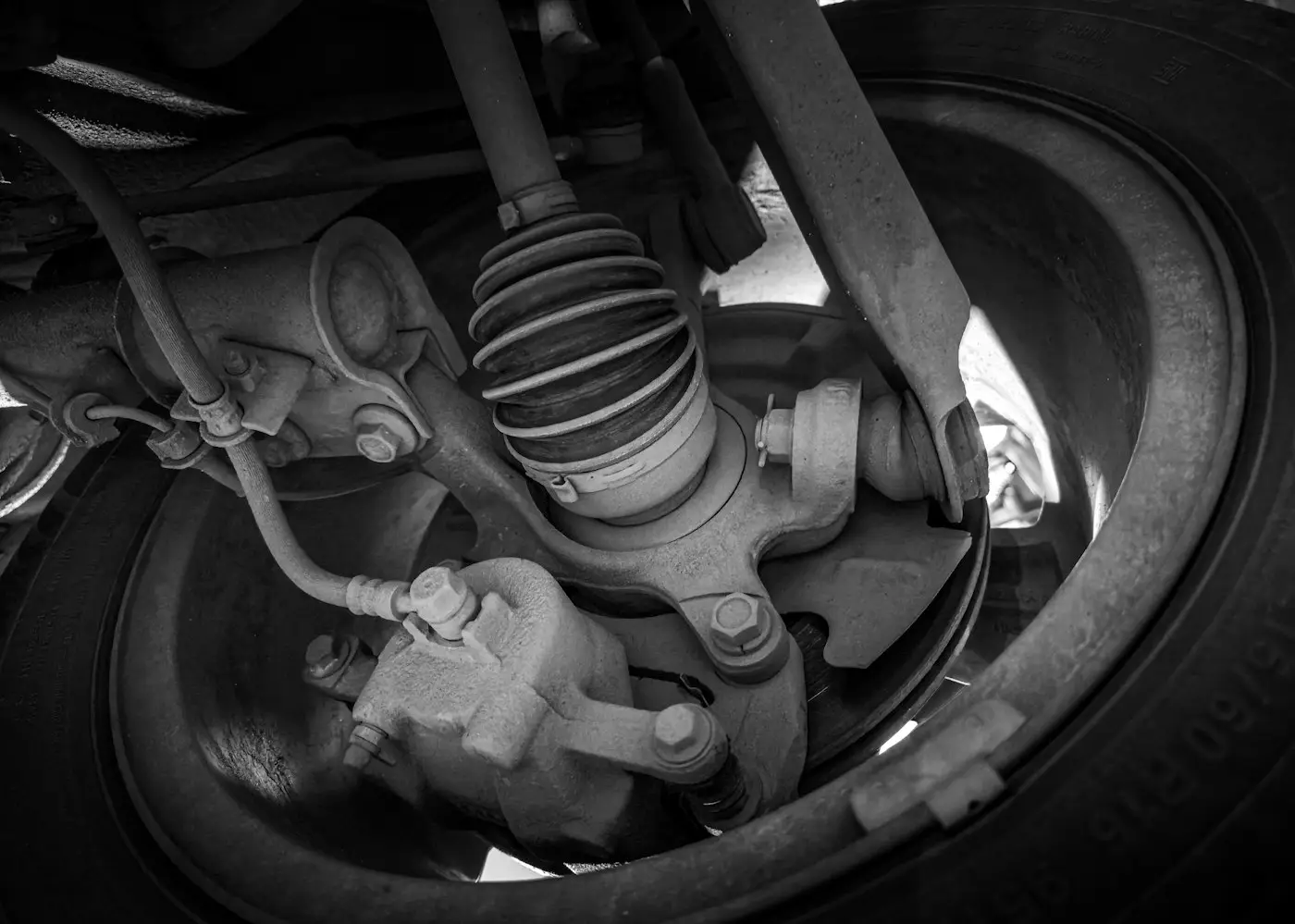
A hard impact transfers force directly into the tie rods, control arm bushings and steering rack, and it does not take a dramatic noise or a flat tire for that force to nudge alignment out of spec. The car can drive away seemingly fine and still pull or wear tires unevenly over the following weeks, which is exactly why this kind of damage is so easy to miss until the tire wear or pulling becomes obvious.
The city has documented just how widespread this kind of pavement stress has been. A 2024 City of Long Beach press release reported that crews filled more than 35,000 potholes citywide in about five months, working through a backlog caused by record winter rainfall, with a goal of roughly 5,000 filled per month. That is a lot of pavement that was below standard for a stretch, and anyone driving the city regularly during that period likely hit more than a few without realizing it at the time.
The Anaheim Street corridor specifically
Longer term, the city's own Anaheim Street Corridor Improvements Project covers roughly four miles of pavement rehabilitation from the Los Angeles River to Pacific Coast Highway, with construction currently planned to begin in early 2027. Until that work is done, the corridor our shop sits on will keep delivering the mix of patched lanes and rail crossings that we see wearing down alignments faster than smoother streets would, and construction itself, once it starts, often brings its own temporary rough patches and plated trenches to navigate.
What an alignment check after an impact actually looks for
We start with a test drive and a visual inspection of the tie rods, ball joints and bushings, looking for play or a bent component before we ever touch the alignment settings. If something is visibly bent, we quote the part replacement first, since adjusting an alignment around a bent tie rod will not hold. If everything checks out mechanically, we move straight to measuring camber, caster and toe against factory spec, and show you the before-and-after numbers.
We also take a moment to check tire condition itself during this inspection, since a hard enough impact can occasionally cause sidewall damage that is more urgent than the alignment question. It is a quick visual check, but it is one more reason we prefer to actually put hands on the car rather than just quote an alignment over the phone after a described impact.
A simple rule of thumb
If you can remember buying new tires or hitting something hard in the last few weeks, and the car has started pulling, wandering or wearing unevenly since, that timing is the clue. Get it checked before the wear pattern sets in further, because every mile on a misaligned car makes the eventual correction less able to save the tires you already have, and a check now is almost always cheaper than the tire replacement later.
If you are not sure whether the timing actually lines up, bring it in anyway and describe what you remember. We would rather confirm there is nothing to worry about than have you second-guess a pull or a wear pattern for weeks before finally calling.
What we tell customers who aren't sure if it's worth checking
A fair number of calls we get start with some version of "it's probably nothing, but." Our answer is always the same: if you can describe a specific moment (new tires, a pothole, a curb) and a specific change in how the car drives since then, it is worth fifteen minutes on the rack to find out either way. Most of these checks turn out fine, and that peace of mind is worth more than the small amount of time it takes, especially compared with finding out six months later that a new set of tires wore unevenly the whole time.
We would also rather see a car for a quick check that turns up nothing than see it months later for a full tire replacement that a $100 check could have prevented. That is part of why we keep this kind of inspection quick and straightforward rather than treating it as a bigger appointment than it needs to be.
Sources
- AAA, "What to Know About Wheel Alignment and Why It Matters," 2025
- City of Long Beach, "City of Long Beach Reaches Milestone in Pothole Repair Initiative," 2024
- City of Long Beach, Public Works, "Anaheim Street Corridor Improvements Project," 2026